Should Employees Be Responsible for Cleaning Their Own FR Garments?
FR garments are designed to help protect workers from serious workplace hazards. For some organizations, the responsibility of cleaning, repairing, and replacing FR apparel is managed through an established garment service. Others place that responsibility directly in the hands of employees.
Because of the environments these garments are worn in, employers need to consider more than simply providing the apparel. How garments are cleaned, repaired, evaluated, and eventually replaced can all influence whether they remain suitable for use.
Keeping Contaminants Off the Garment
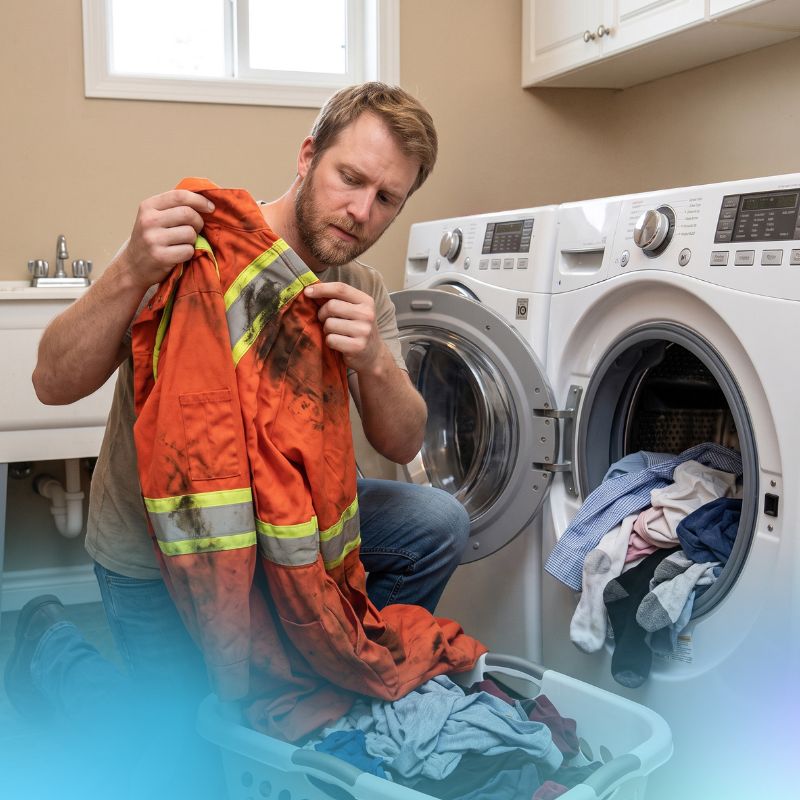
FR garments are often worn in environments where oils, grease, fuels, combustible dust, and other workplace contaminants can become part of the workday. While employees may be fully capable of laundering their own clothing, maintaining FR apparel involves more than removing visible dirt and stains.
When garments are managed individually, employers may have limited visibility into whether they're being cleaned according to manufacturer recommendations. Questions to consider include:
Is the garment being washed frequently enough based on the work being performed?
Are the detergents being used appropriate for removing workplace contaminants?
Are wash temperatures, cycles, and load sizes helping ensure contaminants are properly removed?
Is FR apparel being washed separately from everyday household laundry?
The question is whether there is a consistent process in place to help ensure FR garments are being cleaned appropriately.
Maintaining FR Garment Integrity Through Repairs
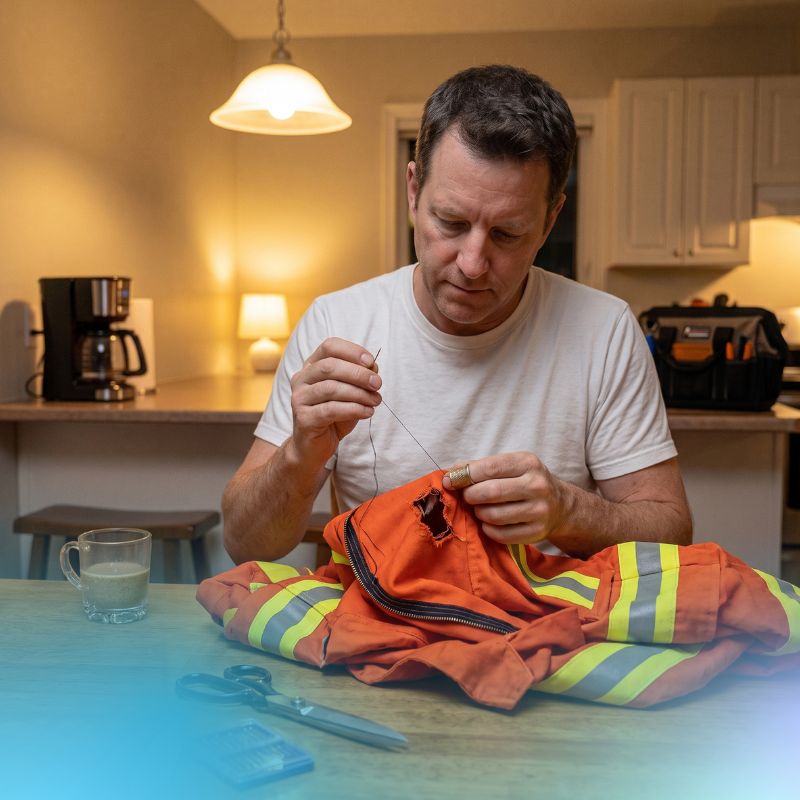
FR garments, like any workwear, experience wear and tear. Buttons break, zippers fail, seams pull apart, and garments can become damaged through daily use. The difference is that repairing FR apparel is not always as straightforward as repairing ordinary clothing.
When garments are repaired independently, employers may have limited visibility into whether appropriate materials are being used or whether modifications could affect the garment. For example, certain FR garments may require FR-rated thread, patches, and other repair materials. Using standard materials when making repairs may affect the garment's compliance and raise questions about whether it remains suitable for continued use.
Questions employers should consider include:
If a garment is damaged, who determines whether it should be repaired or replaced?
If repairs are required, are the appropriate materials being used?
If an employee arranges a repair independently, are those performing the repair aware of the garment's specific requirements?
If repairs or modifications have been made, is there a process for evaluating the garment afterwards?
Without a consistent approach, repair decisions can quickly become individual judgement calls rather than organizational standards.
Knowing When It's Time to Retire an FR Garment
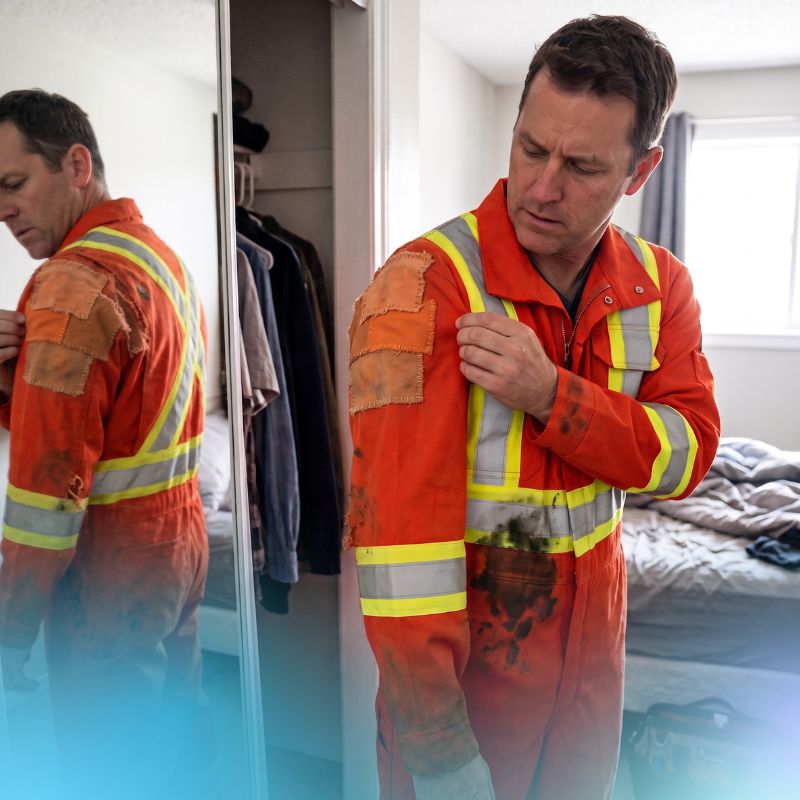
Not every FR garment can or should remain in use indefinitely. Over time, garments can become stained, damaged, worn, or repeatedly repaired, raising questions about whether they should continue to be worn.
Questions employers should consider include:
Is there a process for identifying garments that should be removed from use?
If a garment develops permanent staining, how is it evaluated?
Are employees expected to determine when replacement is necessary?
How are replacement decisions documented and tracked?
At what point does replacing a garment become the better option?
Permanent staining is one example that may warrant further evaluation. Other considerations may include repeated repairs, damaged components, excessive wear, or a garment that has simply reached a point where ongoing repairs are no longer practical.
When employees are responsible for maintaining their own FR garments, employers are also placing responsibility for cleaning, repairs, and replacement decisions into the hands of individual workers.
Taken individually, these decisions may seem minor. Collectively, they can influence how consistently FR garments are maintained across a workforce.
The hazards and contaminants present in the workplace should help determine how much oversight is needed to ensure garments are cleaned appropriately, repaired correctly, and replaced when necessary.
If you're reviewing how FR garments are managed within your organization and evaluating whether a managed uniform program makes more sense for your team, we are happy to help.
Keeping up with a high-traffic washroom in your facility can be a challenge. Used frequently by both employees and visitors, it's crucial to ensure this space is consistently stocked and clean.
After 40 years of serving Manitoba businesses, Mat Master has joined the Quintex family, bringing together two locally owned companies focused on service, accountability, and partnership.