


August 17, 2026

Managing Washroom Supplies: Should You Order As Needed or Use a Service Program?

Most facilities don't spend much time debating whether they need toilet paper, hand soap, or paper towel. The bigger question is who is responsible for making sure those products are available when they're needed.

How washroom supplies are managed can be influenced by factors such as facility size, available resources, storage capacity, and the level of inventory oversight required. While some organizations prefer a hands-on approach, others choose a managed inventory program where a service provider takes a more active role in the process.

Who's Managing the Inventory?

When it comes to washroom supplies, there are generally two approaches. The difference between them comes down to who is primarily responsible for monitoring inventory levels and replenishment needs.

As-Needed Ordering (Managed By You)

  • Internal Monitoring: Your team decides when supplies need to be reordered and how much product is required.
  • High Involvement: Your team is responsible for coordinating orders, restocking inventory, and monitoring supply levels.
  • Direct Visibility: You have a clear view of product usage and inventory levels because you're managing the process yourself.

Managed Inventory Programs (Managed For You)

  • Provider Monitoring: Your service provider monitors inventory levels and usage patterns to help maintain agreed-upon stock levels.
  • Lower Day-to-Day Involvement: Ordering, replenishment, and inventory tracking become part of the service.
  • Ongoing Optimization: Your service provider helps adjust inventory levels and service frequency as usage changes, with the goal of avoiding both shortages and excess inventory.
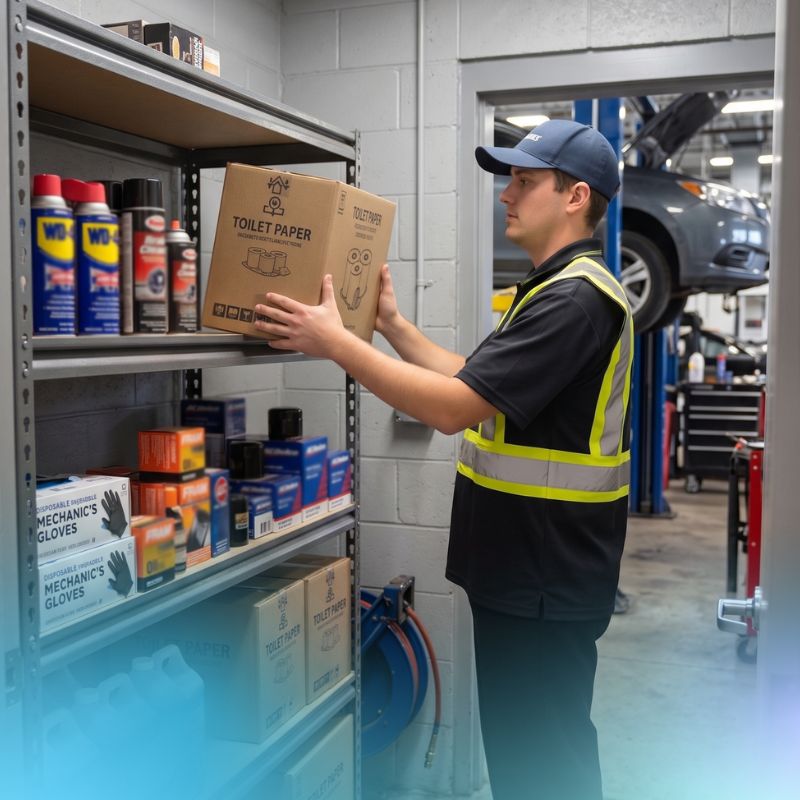
operational manager checking supply cabinet and notices washroom facility stock is depleting

What Does a Managed Inventory Program Include?

A managed inventory program is about more than delivering products. It's designed to help keep inventory levels aligned with actual usage while reducing the amount of oversight required from your team.

  • Usage-Based Replenishment: Products are replenished based on inventory levels and consumption patterns rather than delivering the same quantity every service cycle.
  • Proactive Adjustments: Service frequency and replenishment levels can be adjusted as usage changes, helping maintain appropriate inventory levels over time.
  • Reporting & Visibility: Usage and inventory information can be reviewed to provide greater insight into consumption patterns and program performance.
  • Inventory Oversight: Your service provider takes an active role in reviewing inventory needs and recommending adjustments when appropriate.
  • Invoice Consistency: Costs are often spread more evenly over time, helping reduce large fluctuations in invoicing and making expenses easier to anticipate.
service rep re-stocking storage with a box of toilet paper

Which Approach Fits Your Facility?

The right approach often depends on your resources, operational priorities, and how involved you want to be in managing inventory.

As-Needed Ordering May Be A Good Fit If:

  • You Prefer A Hands-On Approach: Your team wants direct involvement in ordering decisions and inventory management.
  • Inventory Is Easy To Manage: Supply levels are predictable and can be monitored without significant effort.
  • Storage Space Isn't A Concern: You have room to store inventory and are comfortable ordering products as needed.

Managed Inventory Programs May Be Worth Considering If:

  • Reduced Administrative Oversight Is Important: Inventory monitoring, replenishment planning, and usage reviews become part of the service.
  • Ongoing Inventory Support Is Valuable: Your service provider actively monitors usage patterns and helps keep inventory aligned with demand.
  • Budget Predictability Matters: Costs are often spread more evenly over time, helping reduce fluctuations in invoicing.
  • You Have More Moving Pieces To Manage: Facilities with multiple washrooms, larger teams, changing occupancy levels, or fluctuating usage patterns may find additional inventory oversight beneficial.
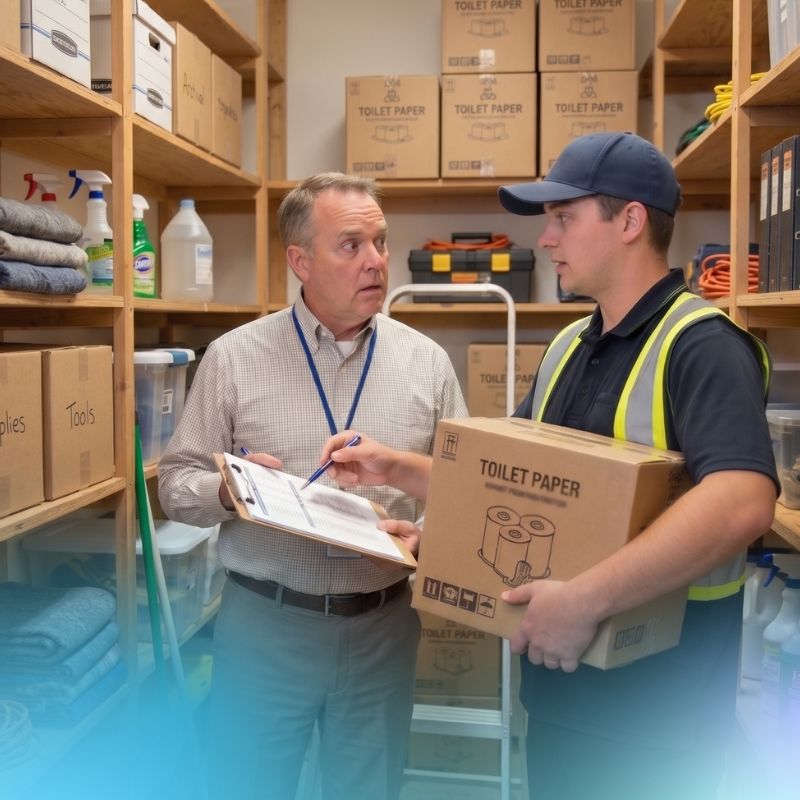
service rep speaking to a customer to let them know they have too much toilet paper, and should consider changing frequency

Questions to Ask Before Choosing an Approach

Before deciding which approach makes the most sense for your facility, consider the following:

  • Who is currently responsible for monitoring washroom inventory?
  • How much time is spent ordering, receiving, and replenishing supplies?
  • Are inventory levels regularly reviewed, or only when supplies begin running low?
  • Do you have adequate storage space for supplies?
  • How predictable is your washroom product usage throughout the year?
  • Would more consistent inventory oversight provide value to your operation?
  • Is invoice predictability important for budgeting and planning purposes?
  • Are your current inventory management processes working well, or are there recurring challenges?
operational manager walking through the plant, pointing out the washroom facility. sales rep is taking notes as they move along the plant.

Keeping washroom supplies stocked involves more than simply ordering toilet paper, hand soap, and paper towel when inventory runs low. It requires attention to usage patterns, inventory levels, replenishment needs, and the changing demands of a facility.

For some organizations, handling those responsibilities internally is the right fit. Others prefer having a service provider take a more active role in reviewing usage, planning replenishment, and helping keep inventory levels aligned with demand.

Ultimately, the goal isn't simply to supply products. It's to have the right product, in the right quantity, at the right time.

If you're evaluating how washroom supplies are managed within your facility, consider not only the products themselves, but also the time, resources, and oversight required to keep them stocked effectively.

Feel free to contact our team if you have any questions about a managed washroom supply program.

READ MORE

The Freshest Updates.

May 6, 2026
The Real Business Benefits of Partnering with Sustainable Companies

Discover how sustainable operations can influence service consistency, pricing stability, and long-term reliability, and how it shows up in day-to-day performance.

July 28, 2026
The Hidden Connection Between Invoice Accuracy and Customer Service

Recurring billing issues may point to more than accounting alone. Learn how communication, account management, and service coordination influence invoice accuracy.