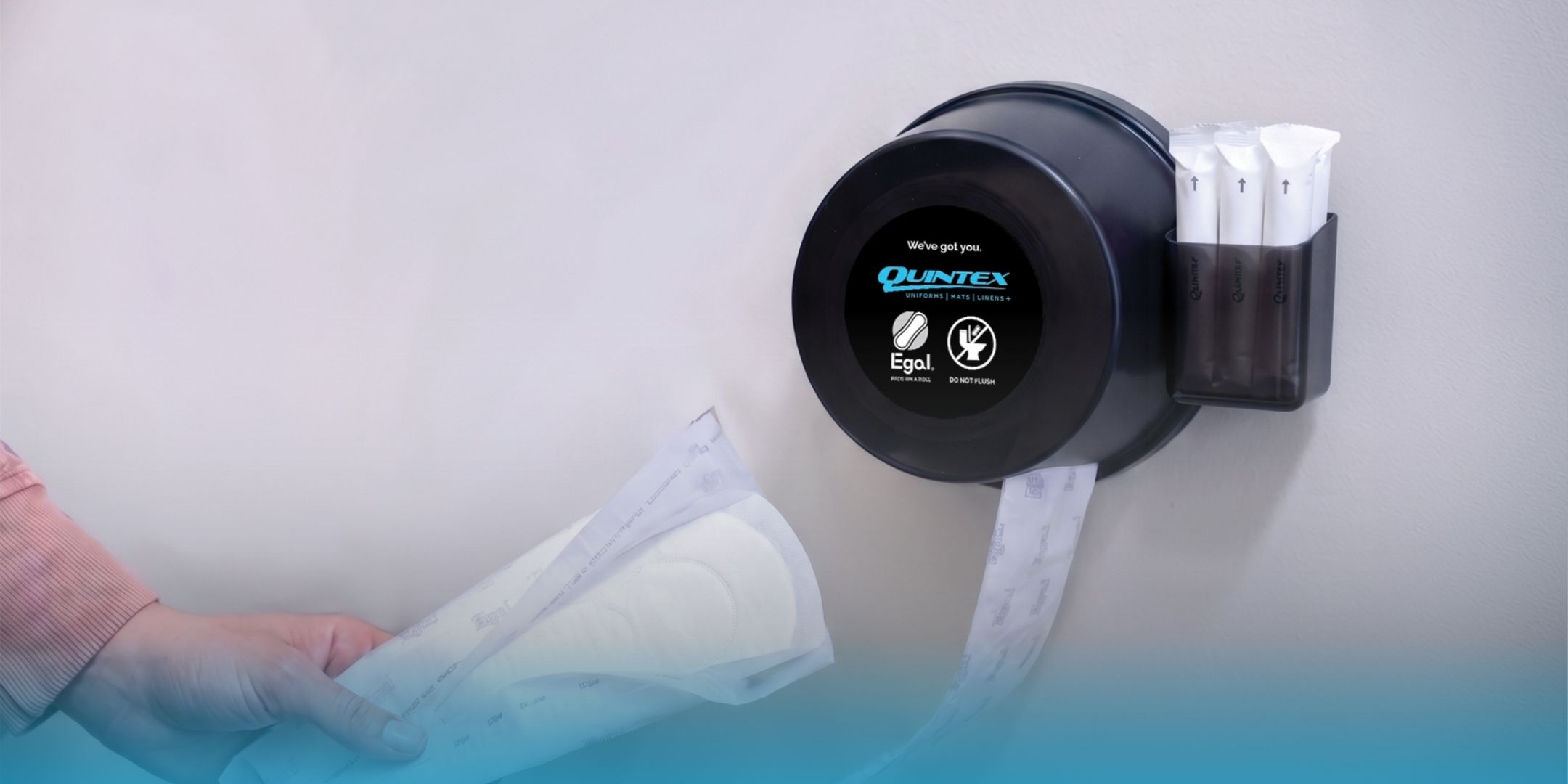
Workplace expectations around washroom access are evolving.
As part of updates tied to Manitoba’s Workplace Safety and Health framework, employers will be expected to provide access to menstrual products, with implementation expected later this year.
Many workplaces are still working through what this looks like in practice and how to implement it in a way that’s consistent and manageable.

While the requirement itself is straightforward, managing it day-to-day can look different across facilities.
It often involves decisions around placement, keeping supplies stocked, and maintaining a clean, consistent setup across spaces. Over time, it becomes another process to monitor alongside everything else already in place.
As this requirement takes shape, most workplaces will initially look to manage it internally.
It’s often treated as an extension of existing responsibilities; adding it to supply management, restocking, and general facility upkeep.
Over time, that can mean:
Without a clear structure in place, this can quickly become inconsistent across locations, shifts, or teams.
How products are placed and managed directly impacts access, consistency, and overall experience.
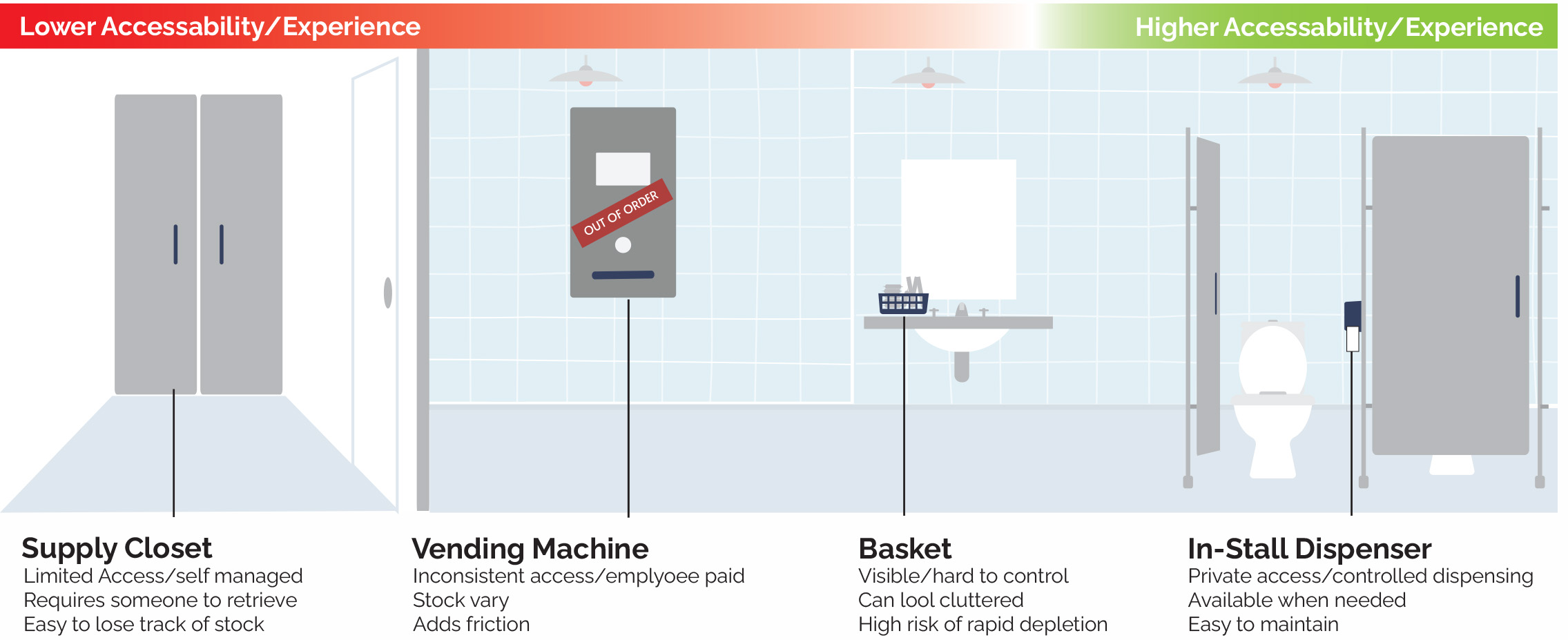
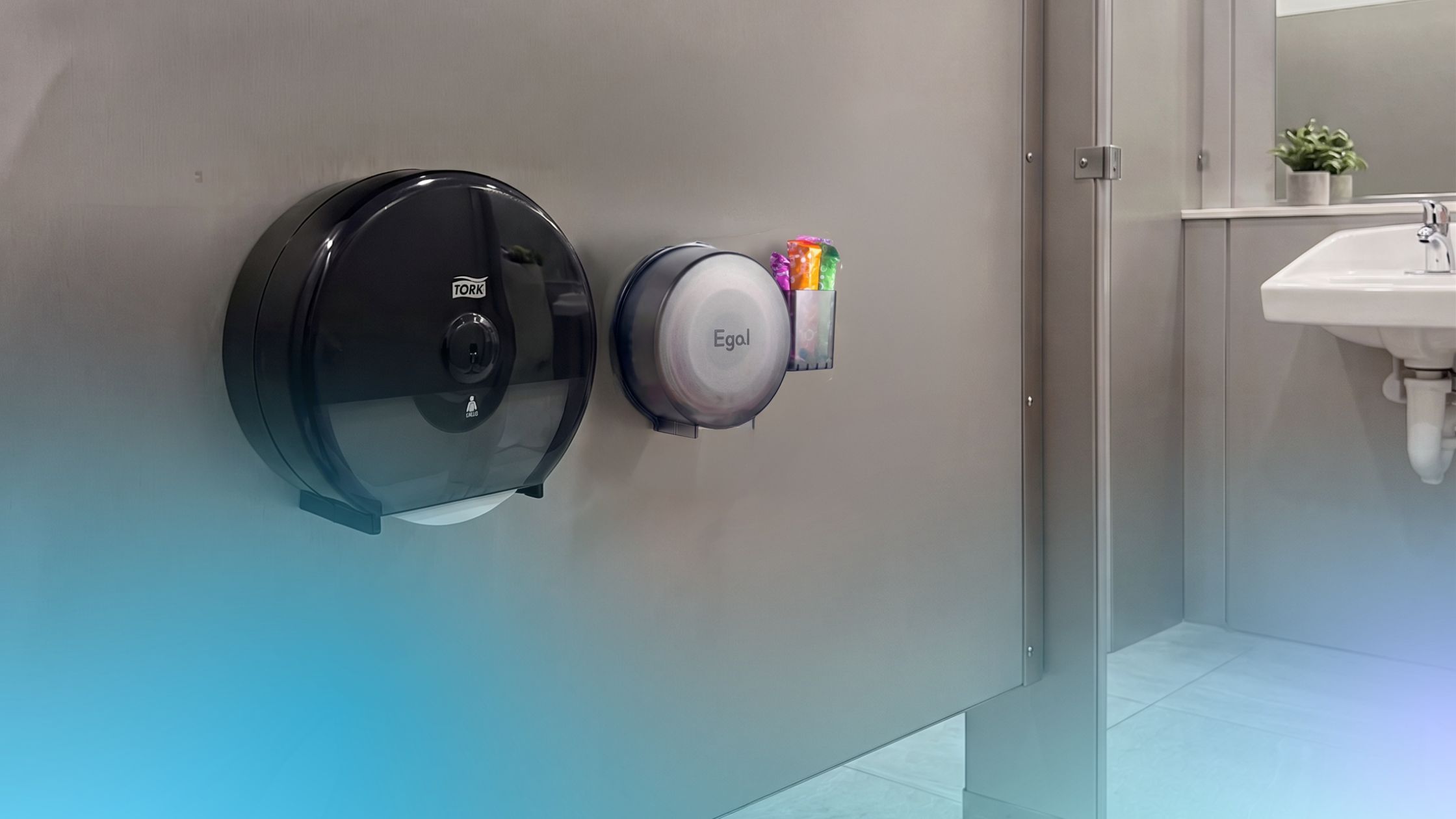
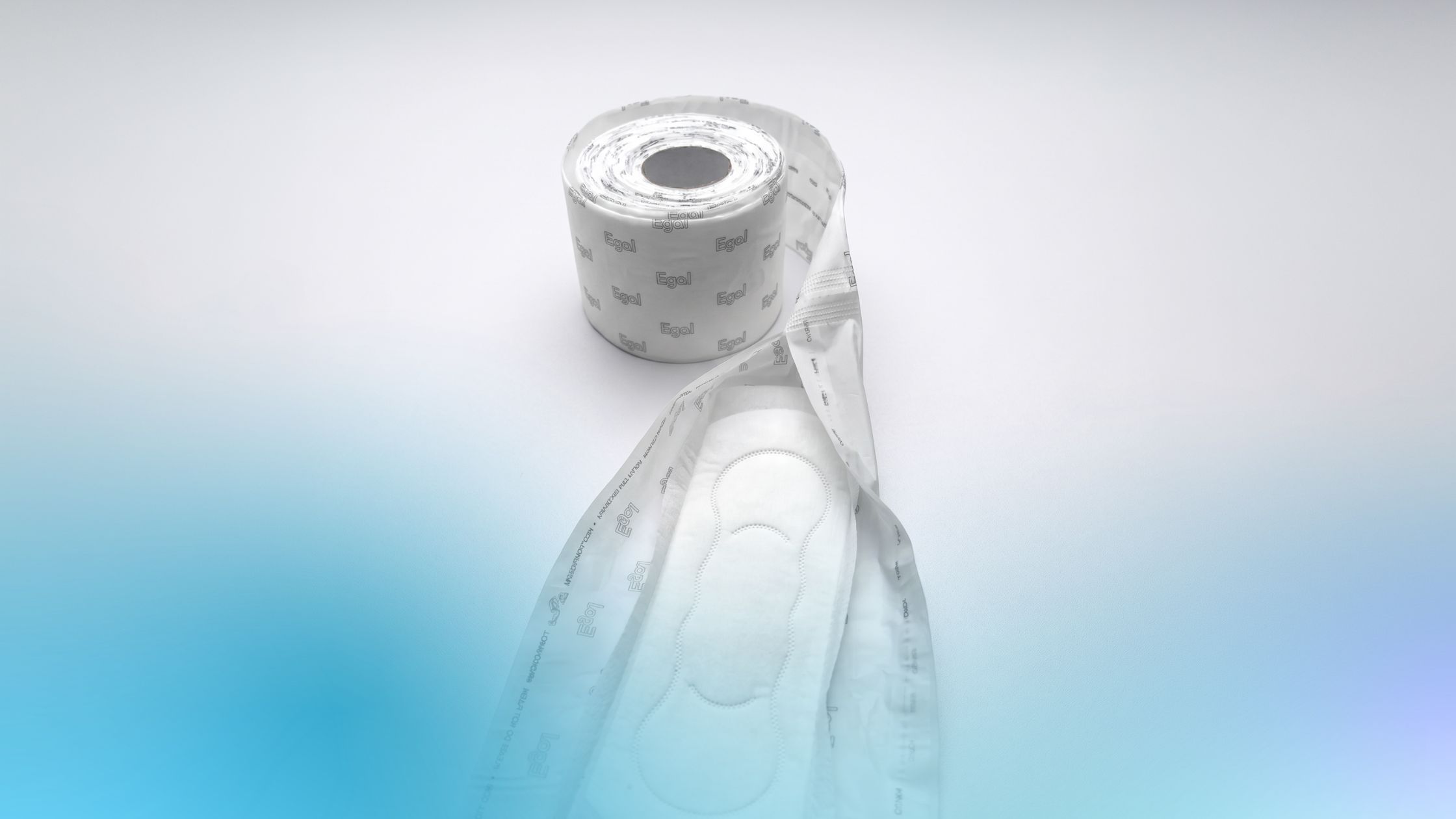
We’ve developed a structured approach to menstrual product access that fits into your existing washroom service, so it can be managed consistently without adding extra responsibility to your team.
A typical setup includes:
This approach removes the variability that often comes with internal or ad hoc management, while keeping the process straightforward to maintain over time.

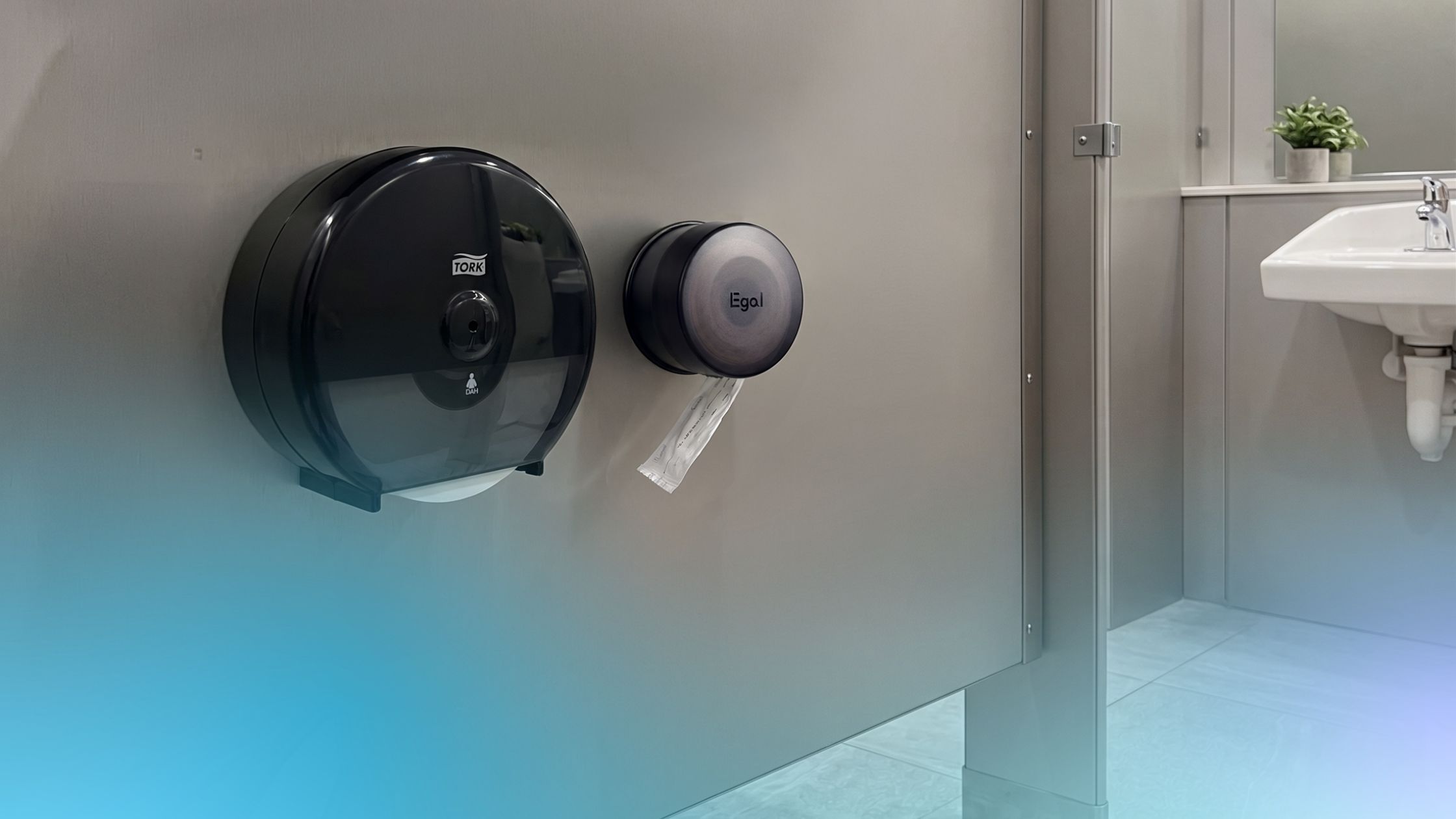
If you're starting to plan how menstrual product access will be handled across your workplace, now is the time to put a clear approach in place. We can help implement a consistent setup that’s easy to maintain and fits into your overall facility operations.


Workplace expectations around menstrual hygiene products are evolving in Manitoba. Learn what is defined, how organizations are approaching implementation, and what practical considerations remain.
Manitoba's workplace menstrual product requirement is now in effect. Learn what employers need to know about compliance, employer responsibilities, employee resources, and maintaining access.
Choosing a menstrual product setup involves more than selecting products. Learn the practical considerations that can help Manitoba employers create a solution that's accessible and manageable.


