Choosing a Menstrual Product Setup Your Workplace Can Actually Maintain
For many people, workplace menstrual products bring to mind the dispensers that have long been a familiar fixture in public washrooms, often mounted near the entrance or beside the sinks, dispensing products on demand. As Manitoba employers prepare for upcoming workplace requirements, they're discovering there are now more options than ever. Menstrual products can be stored, dispensed, and accessed in a variety of ways depending on the workplace, workforce, and facility layout.
With so many approaches available, the challenge isn't necessarily deciding what products toprovide or where to source them. The real test is creating a setup that can be maintained consistently long after the initial implementation is complete.
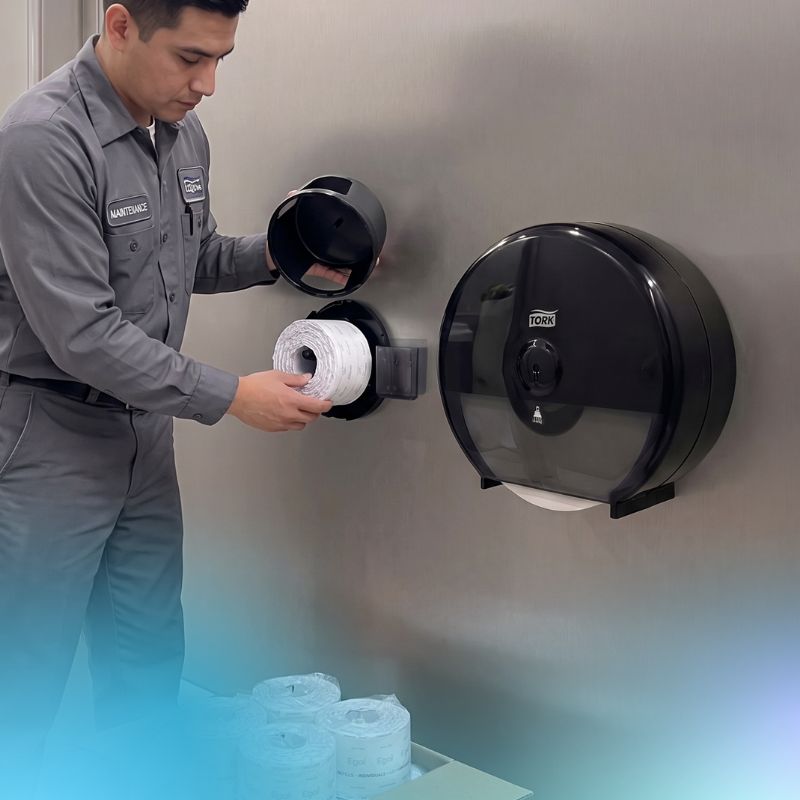
Who Will Manage It Day to Day?
A successful setup is one that can be maintained consistently as part of existing workplace routines.
Before choosing a setup, consider:
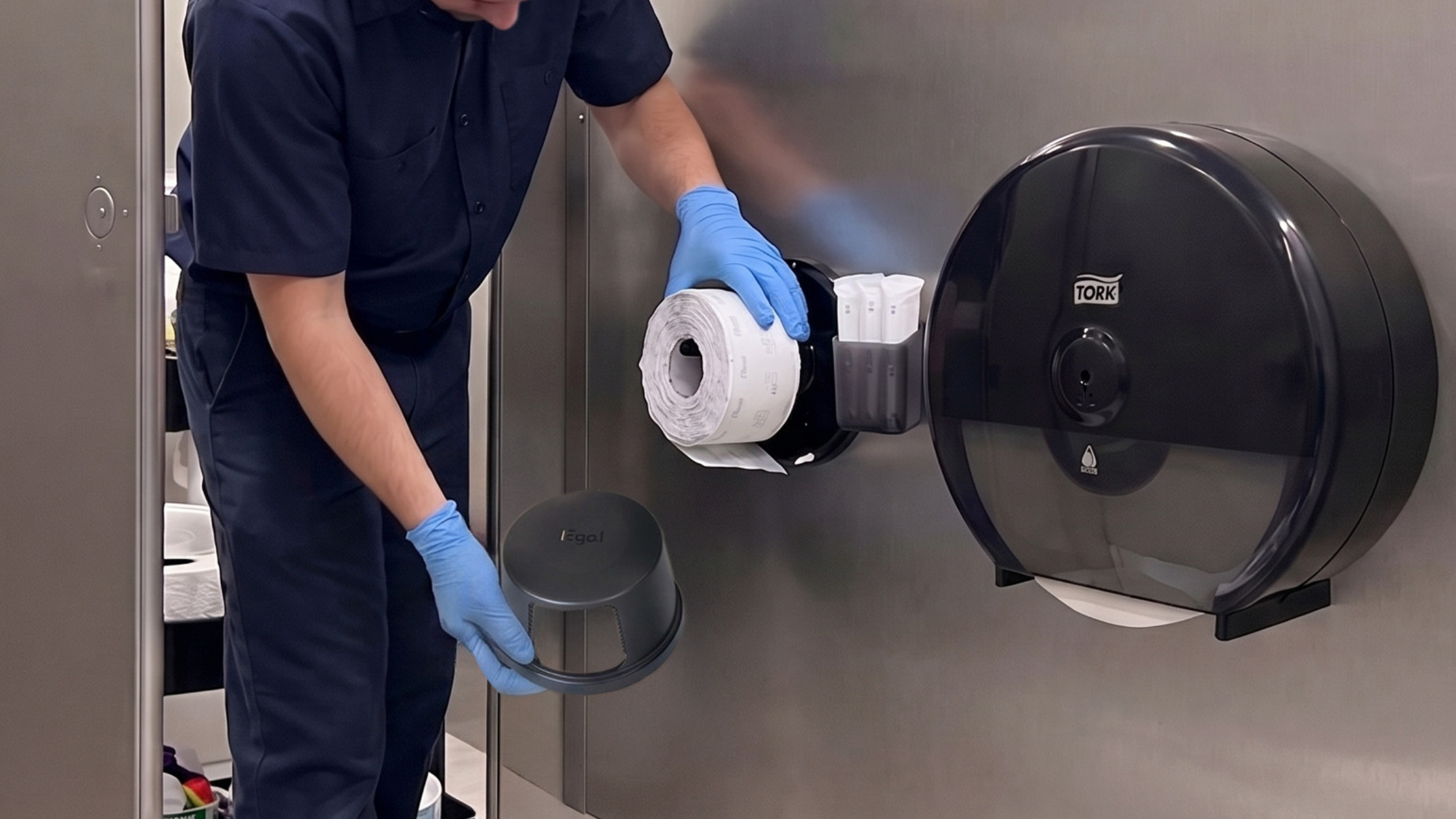
Who will be responsible? Someone should have ownership of the process to help ensure products remain available when needed. In many organizations, this can become part of existing facility, maintenance, cleaning, or administrative responsibilities.
How will products be replenished? Whether inventory is checked daily, weekly, or as needed, replenishment should fit into routines that already exist within the workplace rather than becoming a completely separate task.
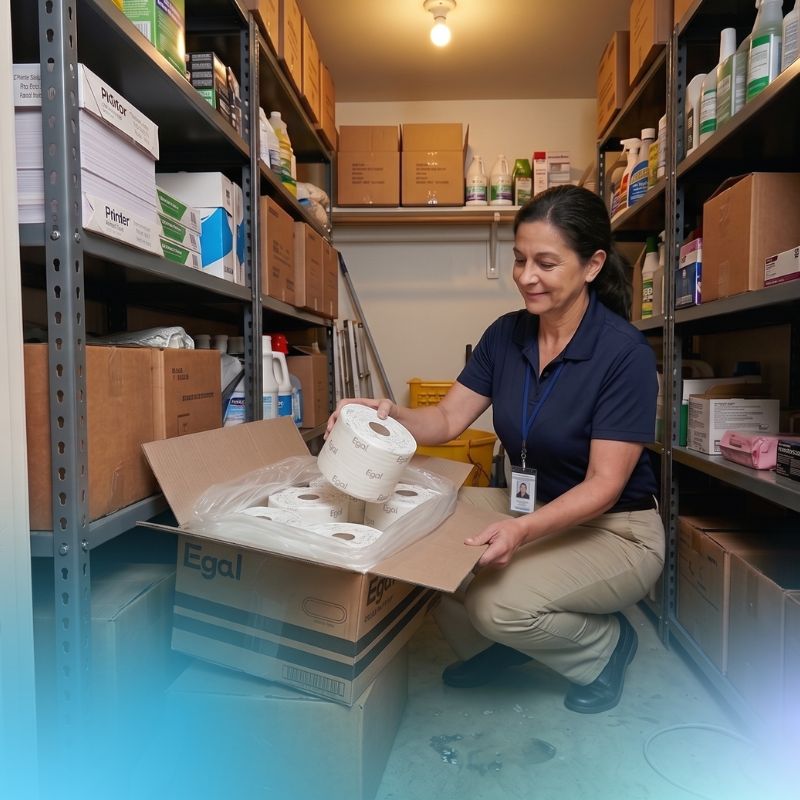
Where will extra inventory be stored? Backup supplies should be accessible to the people responsible for maintaining the program, helping make replenishment quick and straightforward.
What happens if stock runs low? Thinking through these situations in advance can help prevent gaps in availability and provide a more consistent experience for employees.
A simple setup supported by a clear process is often easier to maintain than amore sophisticated solution with no defined ownership.
Make Accessibility a Priority
A menstrual product program can only be effective if employees can access products easily when they need them. If products are difficult to locate, difficult to access, or inconsistently available, the setup may not achieve its intended purpose.
When evaluating different options, accessibility should be considered alongside maintenance and inventory management. Consider:
Can employees find products quickly? Access should be straightforward and easy to understand, particularly for new employees or individuals working different shifts.
Can employees access products independently? Products should be available without requiring employees to ask a manager, coworker, reception desk, or another individual for assistance.
Will access remain consistent?Employees should know where products are located and be able to rely on them being available when needed.
The goal is to create a setup that feels intuitive for employees while remaining practical for the workplace to manage.
Evaluating Different Access Methods
Once a workplace has decided how products will be managed, the next decision is where they will be made available.
Different approaches come with different trade-offs:
Stored inventory: Provides greater oversight of supplies and makes replenishment straightforward for designated personnel. However, products intended for employee use should not be the primary source of access.
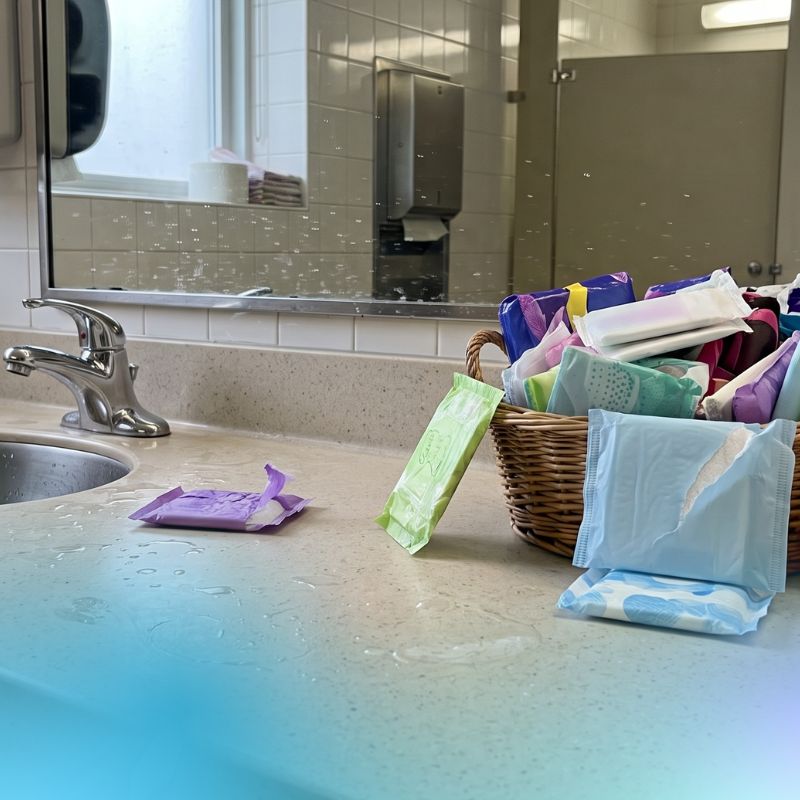
Common-area placement: Easy to access and simple to implement but may require additional attention to keep products organized and the washroom looking tidy.
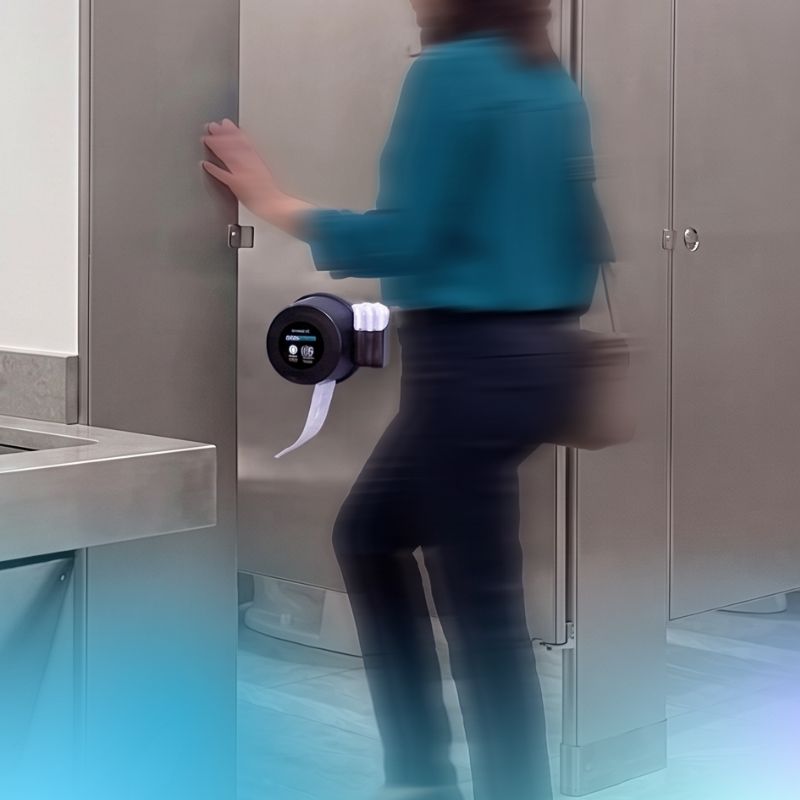
In-stall access: Places products where they are most likely to be needed, offering a more private experience while helping maintain a clean and organized appearance.
Hybrid approaches: Combines everyday access with designated backup inventory, allowing workplaces to support both accessibility and replenishment.
The right choice often depends on the facility, workforce, and there sources available to support the program over time.
Think Beyond Installation
Installing a dispenser, stocking a basket, or setting aside inventory isonly the beginning. Like other washroom facility products, menstrual products need to be monitored, replenished, and incorporated into existing workplace routines.
Consider:
Replenishment: How often will products be checked and refilled?
Inventory monitoring: How will the workplace know when additional supplies are needed?
Changes in usage: Product demand may vary by location, department, shift, or workforce size.
Staff transitions: If responsibilities change, will the process remain clear and consistent?
Many workplaces focus heavily on the initial setup, but the ongoing process is often what determines whether the program remains effective six months or a year later.
The long-term success of any menstrual product program ultimately comes down to consistency. Products need to be monitored, replenished, and incorporated into existing workplace routines.
The best setup isn't necessarily the most sophisticated or the most expensive. It's the one that fits naturally into your workplace, aligns with the needs of your workforce, and can be maintained consistently as part of day-to-day operations.
If you're evaluating options and aren't sure which approach makes the most sense for your facility, Quintex can help you explore practical solutions that support both accessibility and long-term sustainability.
After switching providers, what actually stabilizes first? Explore five common issues that improve over time and what consistent service looks like in day-to-day operations.