5 Practical Ways to Improve Employee Retention by Reducing Everyday Friction
Retention rarely hinges on one big moment. More often, it is shaped by small, repeated friction points: minor interruptions, missing essentials, inconsistent processes, and workarounds. Individually, these may seem trivial, but over time, they quietly affect how employees feel about their role and the organization.
Compensation, culture, and growth opportunities matter, but retention is also influenced by a simpler factor: how supported employees feel day to day. When basics are reliable, employees can focus, stay productive, and feel capable. When basics are inconsistent, they absorb the cost through wasted time, extra effort, and stress.
Tip 1: Identify and Eliminate Small Daily Irritants
Constant minor disruptions like disorganized workspaces or missing supplies slowly chip away at employee satisfaction and focus.
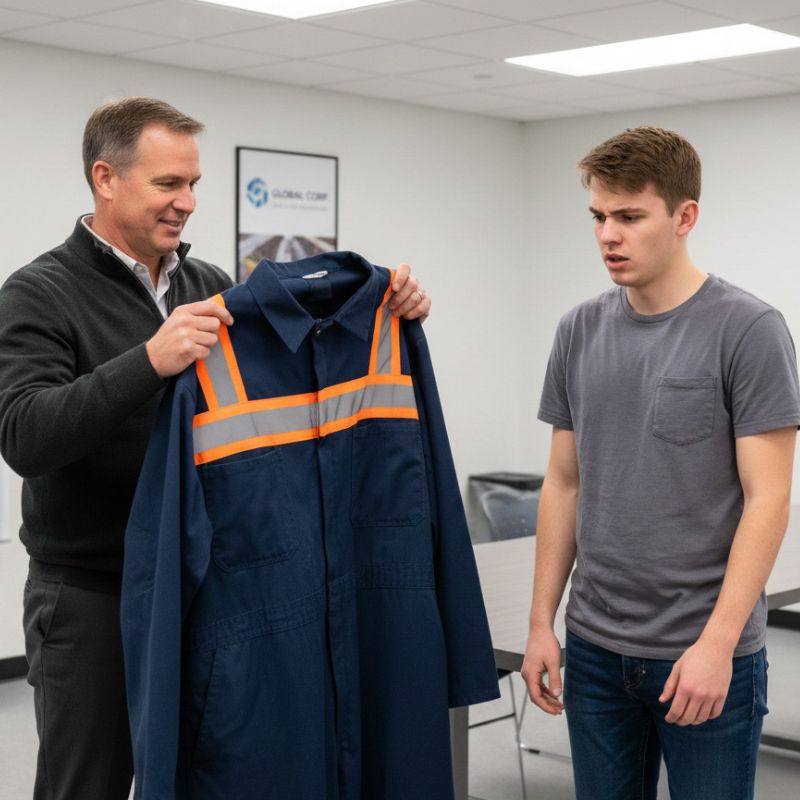
For example, an employee might tear their uniform. Without a straightforward repair process, they could spend extra time finding a replacement, arranging repairs, or purchasing a new uniform, all of which interrupts their day and adds stress.
A system where employees can submit repair requests via an app tied to scheduled uniform deliveries makes this process seamless. Uniforms are picked up, repaired, and returned on schedule, with most repairs completed by the following week. This ensures staff can stay focused on their work rather than tracking down replacements.
Addressing these small, predictable disruptions helps employees feel supported, allowing them to concentrate on meaningful work, which contributes to higher engagement and retention.
Operational checks to consider:
Observe where employees pause, improvise, or adjust to keep work moving.
Ask employees:
“What slows you down or interrupts your flow today?”
“What did you have to fix yesterday that shouldn’t have been your responsibility?”
Track recurring issues and note their impact on time, quality, or safety.
Adjust processes, roles, or workflows to remove repeated workarounds.
Tip 2: Ensure Employees Are Equipped to Work Safely and Correctly
Without reliable safety gear or protective equipment, employees can feel vulnerable and question whether their wellbeing is truly a priority.
For example, CSA-compliant uniforms, or other safety apparel are unavailable or inconsistent, employees may work cautiously or stress over whether their gear is up to standard, slowing down tasks and adding anxiety.
Working with a provider experienced in industry standards can help eliminate this uncertainty. When uniforms and safety gear are designed with the right materials, constructed to protect employees, and maintained to keep features like Hi-Vi’s properties effective, staff can feel confident that their equipment is safe, consistent across the team, and properly cared for, without having to double-check or worry about compliance.
Providing dependable safety and comfort measures like these signals that employees’ wellbeing matters, which fosters trust, confidence, and long-term engagement.
Operational checks to consider:
Verify safety equipment and operational systems meet standards each time they are used.
Observe where tasks are delayed because employees are waiting for functional gear or prepared workstations.
Check that shared spaces and cleaning routines are maintained consistently throughout the day.
Remove situations where employees feel compelled to proceed under unsafe or substandard conditions.
Tip 3: Build Pride Through Visible Standards and Everyday Signals of Respect
Clean, orderly workstations and well-maintained shared spaces can signal respect for employees and subconsciously foster pride in the workplace.
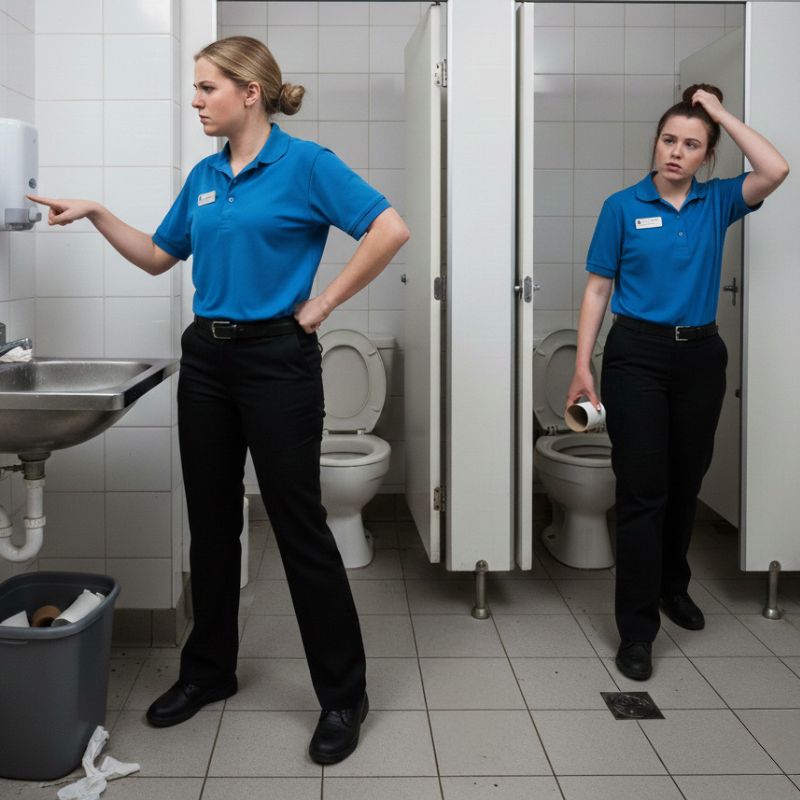
Frustrations can build when basic areas are not properly maintained. Floors, workstations, and washrooms that are not consistently clean or stocked can slow down tasks and create discomfort or stress for employees.
Operational support ensures these spaces function as intended. Shared areas are cleaned, supplies are stocked, and equipment is maintained on a regular schedule, giving employees confidence in their environment and helping them take pride in the workplace.
Operational checks to consider:
Observe casual comments about the workplace: are employees proud or critical of shared spaces?
Check whether workstations and communal areas are maintained consistently throughout the day, not just when leadership is present.
Walk through breakrooms, washrooms, and change areas to ensure essentials are stocked.
Ask employees: “What would make it easier to feel proud working here?”
Tip 4: Make Consistency Part of the Employee Experience
When processes and standards fluctuate, employees are forced to improvise, creating stress and leaving them unsure about what is expected.
Inconsistencies, whether it is missing supplies, delayed uniform availability, or fluctuating workstation readiness, require staff to adapt unexpectedly, taking time away from their core responsibilities.
Scheduled operational support can remove these disruptions. Essentials are maintained and replenished predictably across shifts and locations, allowing employees to rely on their environment and focus on meaningful work.
Operational checks to consider:
Listen for phrases like “it depends,” “most days,” or “on a good day” when employees describe workflow.
Compare the same process across shifts or locations to identify inconsistencies.
Observe informal backup habits, such as storing extra materials or adjusting schedules.
Ask: “What would make this workflow more predictable?”
Tip 5: Let Employees Focus on Their Job—Not Handling Operational Gaps
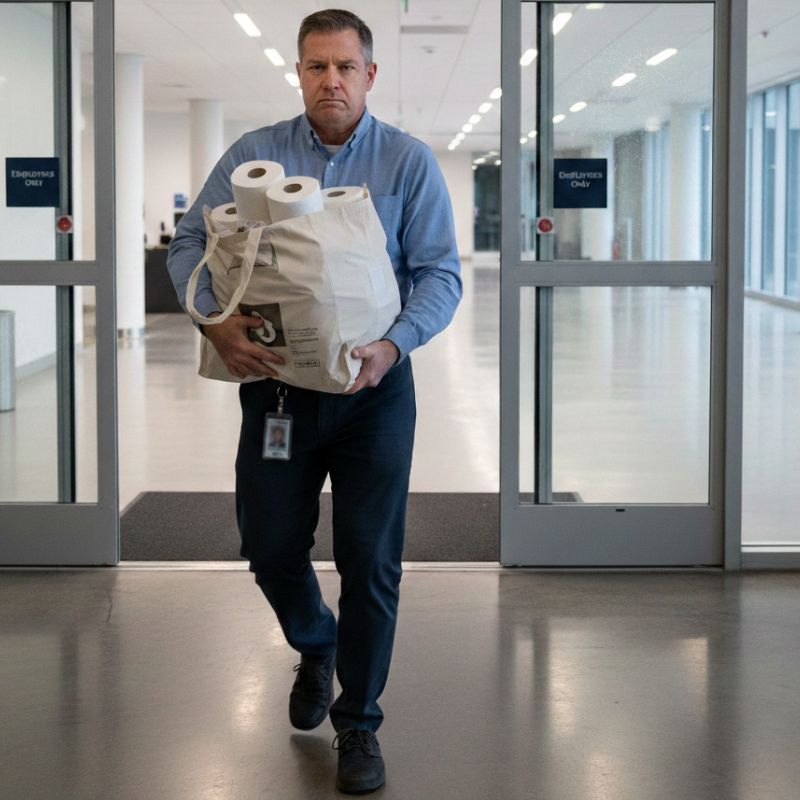
When staff are responsible for addressing gaps outside their role, from restocking supplies to managing uniforms or equipment, their focus shifts from meaningful work, causing fatigue and disengagement.
Even minor operational tasks can add up over the course of a day, taking employees away from their primary responsibilities and creating stress.
Partnering with a single service provider for multiple facility needs removes this burden. Essentials are maintained and replenished on a predictable schedule, so these small tasks happen in the background. Employees can rely on their environment and tools being ready when needed, allowing them to focus on the work that matters most.
Operational checks to consider:
Observe who identifies and resolves gaps; if it defaults to whoever is closest, responsibility has drifted onto employees.
Track “before and after” work: preparation, locating items, or minor fixes outside core tasks.
Ask: “What has become part of your role that isn’t officially assigned?”
Document recurring unassigned tasks.
Monitor for changes in motivation or pride, which can indicate accumulated, unrecognized effort.
While these factors may not be the first things that come to mind when thinking about retention, they quietly shape how employees experience their workplace over time. Organizations that pay attention to operational details, from maintaining shared spaces to ensuring consistent equipment and supplies, create environments where staff feel supported, focused, and valued.
Over time, even small, consistent steps in these areas can make a meaningful difference in engagement, productivity, and retention, helping employees take pride in their work and the workplace itself.
To explore how operational support can strengthen the employee experience, connect with Quintex to learn more about practical solutions for your business.
CSA compliance goes beyond the label. Learn how to keep hi-vis and FR gear protective over time, avoid costly mistakes, and choose a provider that ensures true compliance.